Table Of Content
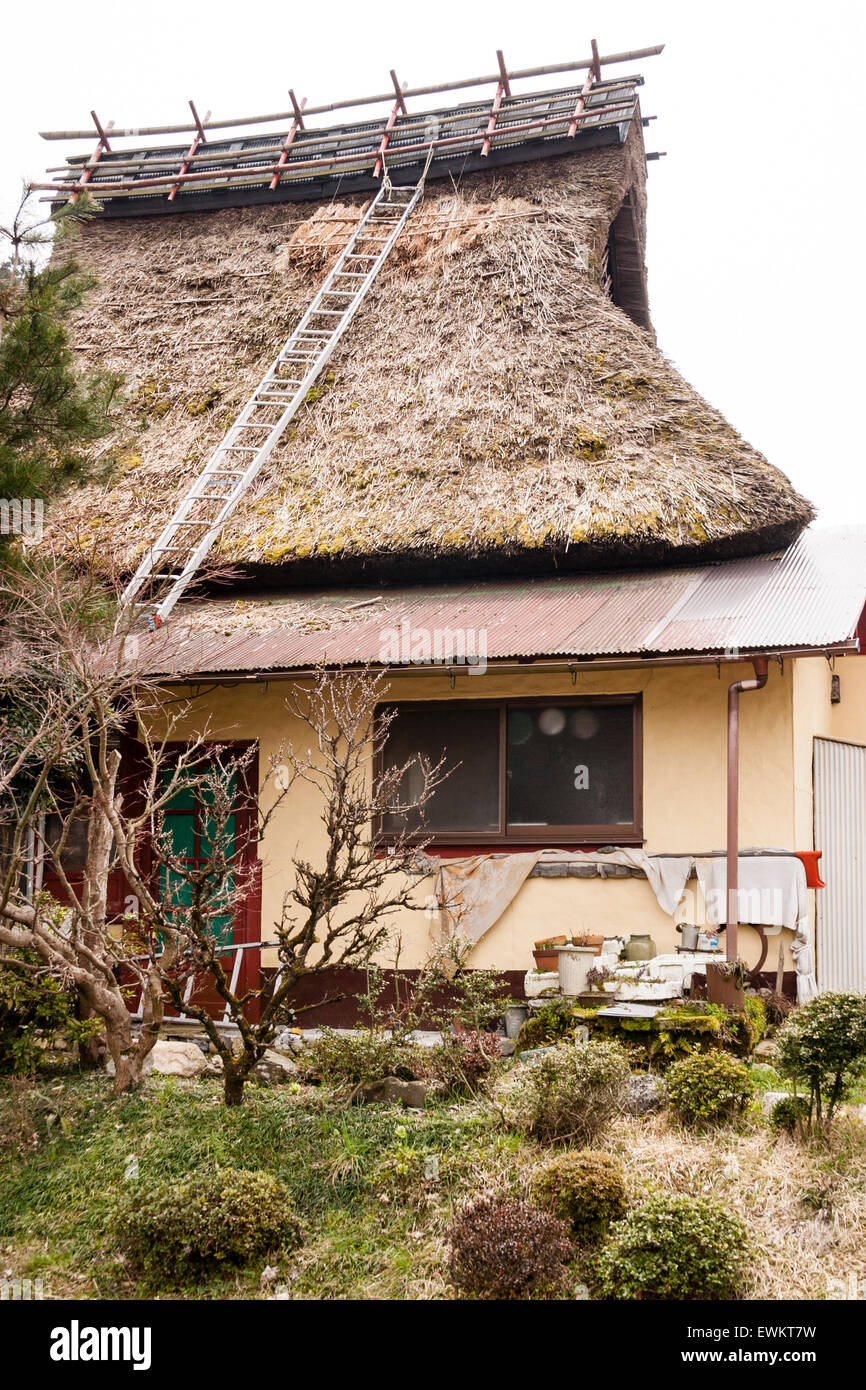
These are extremely low cost but are usually fixer-uppers, requiring a lot of time and patience. Kominka or Minka houses are known as the stand-alone large residential houses for merchants or farmers in the countryside and rural areas of Japan. Editor and Japanese-English translator Judy Evans has a background in education, the arts, production horticulture and landscape design. A secondary school teacher of Japanese and English who spent many years living and working in Japan, Judy now lives on a small farm in rural New Zealand and remains a frequent visitor to Japan. The jizaikagi is a pot hook that allows a kettle or a cooking pot to be suspended over the hearth.
Video: Japanese House Designs & Plans
The Minka Group adds 2 more designers to its roster - Home Accents Today
The Minka Group adds 2 more designers to its roster.
Posted: Wed, 14 Feb 2024 08:00:00 GMT [source]
Because of the openness of a typical Minka, Amado’s are a necessary feature for protection from storms and inclement weather. Acting as a storm wall (or storm shutter), an Amado seals the home from the outside world and acts as a secondary means of privacy.
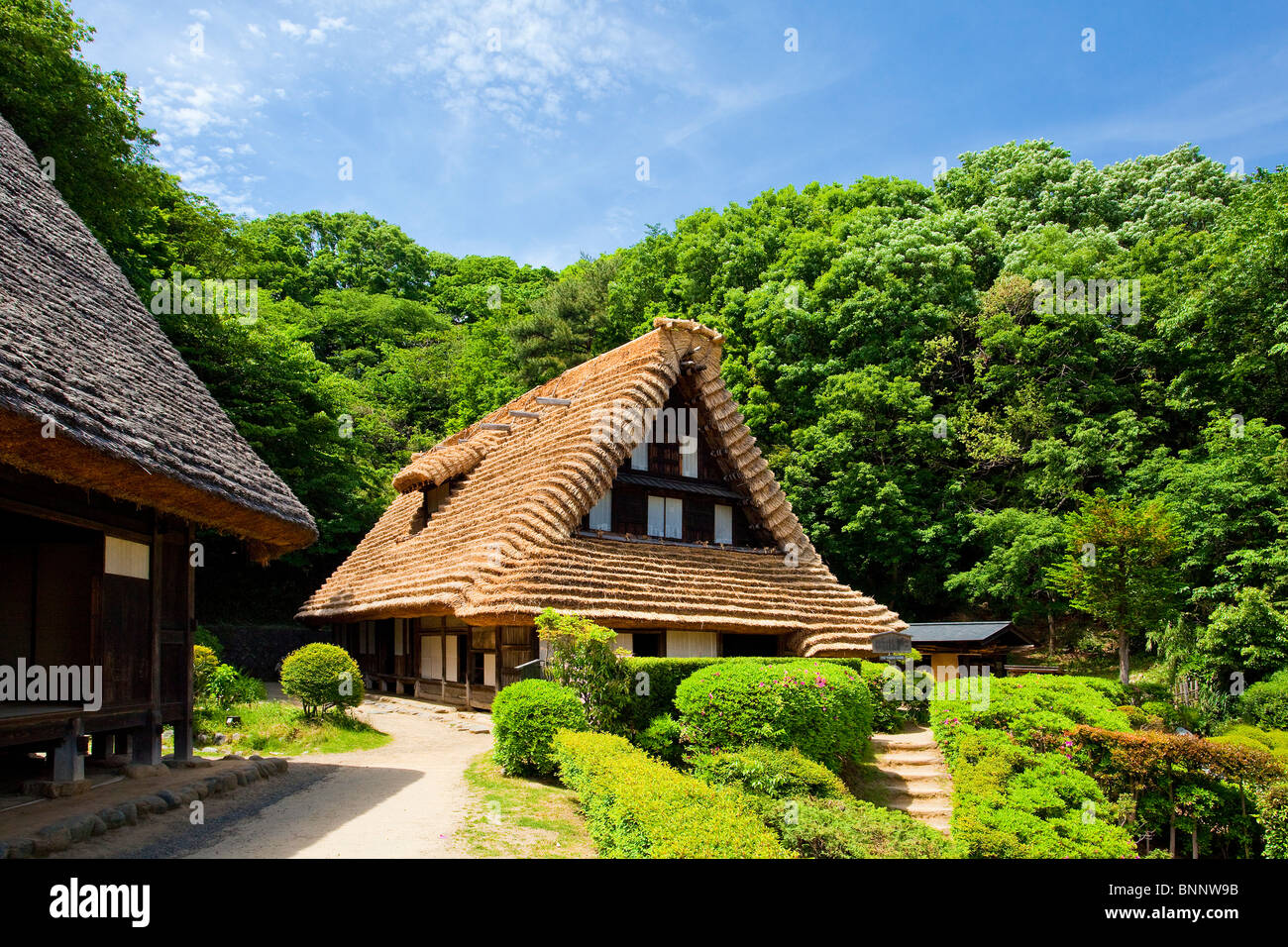
Riken Yamamoto Design Philosophy
While in the southern area of Japan, natural challenges that must be faced are typhoons and earthquakes. So that the typology of the Minka Houses there is usually in the form of a stilt house with large openings to reduce wind loads and earthquake loads. Like many traditional Japanese homes, this house contains a square, open hearth (iriori), which was once the center of family life, providing heat, light and a place to cook.
The Irori, the Hearth Space
The taruki are the rafters that extend from the ridge beam down to the eaves of the roof. Shitaji is the name given to roof framing timbers such as purlins or battens fixed horizontally across the rafters, that the roof cladding is attached to. The ōmune is the main ridge of the roof, the highest section of the house. Once the post and beam framework of the house is completed and the ridge beam finally put in place, a jōtōshiki or ridge beam-raising ceremony is held to bless the house and pray for its safety. A wooden fence (itabei) made of scorched planks of Japanese cedar lines the approach to the Sato house and extends seemingly endlessly.
You could turn this garden area into more living quarters, but here it is an area dedicated to nature. If you don’t know about traditional Japanese garments, Yukata vs Kimono. They are in a traditional Japanese house and have most of the features that were mentioned before. They also usually serve delicious classic Japanese dishes so you get the full experience.
Stairs were arranged non-coaxial in order to regulate the light going down to the space below and reduce the sense of height. Minka in northern Japan, generally have a steep thatched ridge and only a small window on the ridge. His first initiative was the Eden Alternative, introducing plants and animals into the nursing home environment to both enliven and calm the residents. This breaks up the scale of the large nursing home and offers much more personalized care. After the last of the family died, the house was donated to Kew by the Japan Minka Reuse and Recycle Association as part of the Japan 2001 Festival. It was rebuilt by a team of Japanese carpenters and British builders, some of whom had worked on the Globe Theatre – creating an unsung architectural gem in the heart of London.
The Japanese fashioned these tatami mats from harvested rice grass which grows back every season. Traditionally, people used the standard tatami mat to measure out the size of the rooms in a minka. The tatami mat method remains popular today, with rental ads connoting room size by the number of tatami mats. For instance, it might describe a kitchen as “3-tatami mat size” or “10-tatami mat size” for a living room.
I liked how the exterior looks, both the traditional and modern adaptation. Turns out, Minka House is more than just pretty looks (cough, like me, cough). There are a lot of explanations about Minka Architecture — and Minka House is a part of it. The heavy roof and deep overhangs are an aesthetically important part of a traditional Japanese home. This roof is covered with ceramic tiles, which were unusual in this area where most homes used to be roofed with thatch.
During the renovation of the house, Bengs added double-glazed windows to the room, giving it a more open atmosphere. Every dimension in a Japanese house relates to the module of a tatami mat. Most Minka homes are 640 square foot structures offering smart home supportive technologies and clustered in pocket neighborhoods to ensure closeness. The houses are constructed of 3D-designed, computer-fabricated parts designed for modular construction allowing completion of one house in two days. Honmune-zukuri, or “true ridge” style,” is typically a square plan with a gabled, board-covered roof topped with a bird-like ornament called a suzume-odori . All but one of the major beams measured 39 feet and 9 inches, just right for the 40-foot shipping containers.
Take a wander through our vast garden of trees - a living collection that reflects the changes of the seasons. “My grandfather was living there alone, and when he died, we broke it down. Sumitomo Realty & Development Co., a major player in the housing market, began restoring minka three years ago in response to customer demand.
For younger people, these barriers can prevent them from owning a home of their own. For older people, sustaining a big unwieldy house can be the thing that tips the scale from independence to dependence. This insight is behind the “tiny house” craze that has fascinated so many people.


No comments:
Post a Comment